
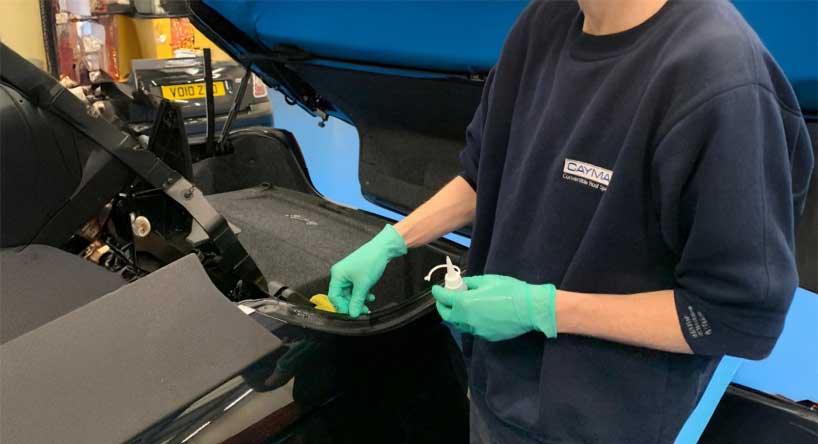
Convertibles are especially vulnerable to water ingress (where water gets into the car’s interior) because their roofs have extra seams, moving parts, and in some cases, softer materials. Soft tops have stitched joins and absorbent fabric; retractable hard tops add extra joints and seals that can misalign or wear. Add blocked drains, ageing rubber trim, poor repairs, or unlucky parking, and a small leak can quickly cause issues such as mould and upholstery damage.
This article will highlight the common causes of water ingress, show the warning signs and the areas to check (seals, drains, roof mechanisms, boot, etc.), give practical preventative steps you can do yourself, and explain when to call experts like Cayman Autos to keep your convertible dry!
What Is Water Ingress in Cars?
Water ingress in convertibles is when water enters the vehicle’s interior through seals, seams, drains, or roof mechanisms that are worn, misaligned, or blocked. Even small amounts of ingress can cause damp, mould, staining, and electrical faults, so it’s a sign that the roof or drainage needs prompt attention.
What Convertible Cars Are More Susceptible to Water Ingress?
A repeat offender is the VW Eos; we strongly suggest that owners of this vehicle regularly check for water ingress. Water build-up in the boot can turn into damage in the pump, which causes the roof operation to fail. If the foam is wet around the spare wheel, then we would advise you to see an expert like Cayman Autos as soon as possible.
Of course, the VW Eos is not the only problematic vehicle; we often see this type of issue in the Vauxhall Twin Top and Vauxhall Tigra, Audi A3, and Ford Focus CC, along with other makes of Porsche, Audi, and Mercedes.
What Are the Warning Signs of Water Ingress in Convertible Cars?
Spotting water ingress early makes repairs cheaper and prevents long-term damage to your cabriolet; look out for these common warning signs and what they indicate:
Damp or Musty Smell Inside the Car
A persistent musty or mildew smell usually means moisture has soaked into your car’s carpets, padding, or upholstery and begun to grow mould. Check under mats and behind panels – if the smell gets worse in humid weather or after rain, you likely have a leak.
Wet Carpets, Upholstery, or Headlining Fabrics
Visible damp patches, staining, or a soggy feel are direct evidence that water is reaching the interior of your convertible vehicle. Lift floor mats and press fabric areas to find the wettest spots; their location helps pinpoint the leak, such as the roof, door seals, or windscreen.
Fogged Windows
Repeated internal fogging, even with the heater or air conditioning running, often indicates increased humidity from trapped water. If your car’s windows fog shortly after driving in the rain or after the car has been parked, search for slow leaks and blocked drainage systems.
Electrical Issues or Warning Lights
Corroded connectors or wet writing can cause erratic sensors, central lock system failures, warning lights, or blown fuses. If electrical faults appear after exposure to rain or washing, prioritise drying the affected areas and have your wiring inspected; after all, water and electronics don’t mix!
Water Pooling in the Footwells or Boot
Puddles or steady drips collecting in the footwells or boot show a clear path for water from torn seals or misrouted drainage. Note down where the water tends to collect from and when (such as only when washing) to help identify the entry point
Noticed any of these signs? Book your convertible in for roof service and repairs.
What Are the Common Causes of Water Ingress in Convertible Cars?
To help you pinpoint why water got in, here are the most common causes of water ingress in convertibles:
Perished, Shrunken, or Cracked Roof Seals
Rubber seals around the roof, windows, and boot harden, shrink, or crack with age and UV exposure, losing their ability to form a watertight barrier. Small gaps let slow leaks form around seams and joints.
Blocked or Clogged Drainage Channels
Convertibles use channels and pipes to route rainwater away; leaves, grit, and dirt can block these paths, so water overflows into the interior. Signs include water overflowing near the scuttle, A-pillars, or pooling in footwells after rain.
Poorly Installed Windscreen or Rear-Window Replacements
Improper bonding or misaligned glass creates gaps that let water track into the car’s interior, especially where new sealants haven’t cured or were applied incorrectly. Water leaks often appear after a recent replacement or repair.
Faulty or Misaligned Roof Mechanisms
Mechanical retractable roofs rely on accurate alignment; worn linkages, bent components, or incorrect latching can prevent gaskets from sealing correctly, leaving routes for water. Therefore, you should look for uneven gaps when the roof is closed or when there is difficulty latching.
Lack of Regular Cleaning & Maintenance
Dirt, salt, and general grime can accelerate seal wear, block drains, and hide small leaks until they worsen. Neglected roofs and drainage channels are the most common reasons an otherwise sound car develops water ingress issues
How Can You Prevent Water Ingress in Your Convertible Car?
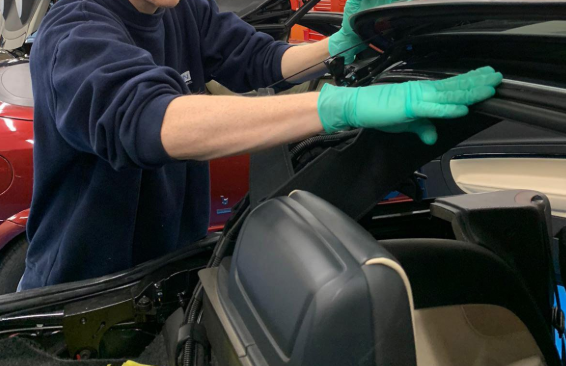
Follow these practical tips to reduce the chance of damp, mould, and electrical issues affecting your convertible car:
Regularly Inspect Seals & Rubber Trim
Check seals roughly every 3 months (and after winter). Look for cracking, hardening, or gaps by pressing along the seal to test for soft, pliable rubber. Replace badly perished seals and use a silicone or rubber-safe conditioner (not petroleum products) to prolong life.
Clean Drainage Channels
Clear scuttle, roof, and boot drains of leaves, grit, and other debris at least twice a year. Use compressed air, a soft, flexible brush, or a thin cable to push blockages out, then run a gentle hose test to confirm water flows away.
Keep the Roof Clean & Treated
For soft tops, wash with a dedicated fabric/vinyl cleaner and apply a water-repellent treatment per the manufacturer’s instructions. For hard tops, wash the roof with a pH-neutral car shampoo diluted in water, clean the seals and mating surfaces, and apply a Krytox solution to restore seal elasticity.
For more information about how to clean your soft top, read our handy guide.
Park Under Cover During Heavy Rain
Whenever possible, park in a garage or under cover. If this isn’t possible, use a breathable, fitted car cover that won’t trap moisture, and avoid loose tarpaulin that could channel water into gaps.
Avoid DIY or Poor Repair Jobs
Have windscreens, rear windows, and any other repairs fitted by reputable specialists who guarantee their work. Poor bonding or incorrect fitment is a common cause of post-repair leaks – check out the next step to test the quality of any repair jobs.
Test After Cleaning or Repairs
After any repairs, roof servicing, or deep cleans, do a controlled hose test (gentle flow, not high-pressure) whilst someone watches inside the car for leaks. This is the quickest way to catch a missed seal or blocked drain.
Arrange Professional Maintenance
Book an annual car roof and drainage inspection with a specialist like Cayman Autos (or sooner if you notice the warning signs outlined earlier). Our team can realign mechanisms, replace hidden seals, and run diagnostic leak tests that are hard to replicate at home.
What Should You Do If You Notice Water Ingress?
If you find water inside your convertible, don’t panic! Instead, here’s what you should do:
- Dry Out Interior Immediately: Remove mats and seat covers, soak up standing water with absorbent towels, use a wet/dry vacuum if available, then run high-flow fans and a dehumidifier until the fabrics and/or carpet feel dry.
- Target Hidden Moisture: Pull back trim and lift carpets where possible to check padding and under-felt; put silica-gel packs or moisture absorbers in the boot and footwells to speed up drying.
- Check for Mould & Treat Safely: Inspect headlining, seats, and under-mats; clean small mould patches with a mould cleaner, testing a hidden area first. Avoid using bleach on fabrics, and for heavy or smelly mould infestations, get a professional interior clean.
- Protect Electrical Systems: If you notice warning lights, intermittent electronics, or wet connectors, don’t ignore them. Arrange an electrical inspection with Cayman Autos, as water can easily corrode sensors and wiring.
- Get a Specialist Leak Diagnosis: Contact a specialist to inspect drains, seals, and roof alignment, and offer permanent repairs like resealing or mechanism realignment with a guarantee.
Don’t Let Your Water Ingress Issues Worsen – Contact Cayman Autos
At Cayman Autos, our experts have immense experience in finding and repairing water ingress across all types of convertible vehicles. Using the highest-quality equipment and expert knowledge, our team ensure proper and accurate diagnosis every time – no issue is too big for us.
We do not return your vehicle until we are 100% satisfied with the repairs – we’ll have you dry in no time. For more information about how we can help or to discuss the issues your cabriolet is experiencing, please get in touch with us today
FAQs
Can water ingress be fixed at home?
In some cases, water ingress can be fixed at home - you can clear blocked drains, dry the interior, temporarily reseal small rubber seals, and stop minor leaks.
However, for persistent leaks and electrical faults, get a specialist such as Cayman Autos to diagnose and carry out lasting repairs.
Is water damage covered by car insurance?
Water damage can be covered by car insurance, but this depends on your individual policy. Storm, flood, or accidental water damage is typically covered by comprehensive policies, but damage from wear & tear or poor maintenance is often excluded. If you’re unsure, always contact your insurer to get a definite answer.
How often should I check my convertible car’s roof?
You should perform quick visual checks every 3 months (and after heavy rain, winter, or long-term storage). Clear drains twice a year (unless you notice blockages sooner), and arrange a professional roof inspection once a year


